Your Cart
Loading

Google AI Studio: Google Flexing their AI Strength

Google recently announced its latest innovation, Google AI Studio, a platform designed to empower creators, designers, and developers with cutting-edge AI tools. This platform is far more than just another AI application—it’s a dynamic creative ecosystem that combines the power of AI with intuitive design workflows, enabling you to generate, edit, and iterate on ideas at unprecedented speed.

AI Studio is built to accommodate a variety of users, from solo creators to large teams, offering tools that handle everything from basic content generation to advanced multimedia projects. Whether you’re producing marketing visuals, conceptual storyboards, interactive web content, or multimedia campaigns, AI Studio provides an adaptable environment that grows with your creative needs.


How AI Studio is Transforming Creative Projects

Traditional creative workflows are often slow, repetitive, and fragmented, which can stifle innovation. AI Studio addresses these challenges by automating mundane tasks, streamlining collaboration, and providing intelligent suggestions to enhance your work.

Example: A designer working on a brand campaign can now generate multiple visual variations, refine layouts, and get real-time feedback without starting over each time. Interactive storyboards can be created and animated, reducing weeks of work into just a few hours.

By combining speed with intelligent automation, AI Studio allows creators to focus on what truly matters: ideation, creativity, and pushing the boundaries of their craft.


Key Features of Google AI Studio

AI Studio offers a rich suite of features that elevate the creative process:

  • Multi-modal content generation: Create images, videos, and text with AI-driven models.
  • Collaboration tools: Seamlessly work with team members in real-time.
  • Advanced editing capabilities: Get layout suggestions, color palette adjustments, and style recommendations.
  • Real-time feedback: Receive instant AI-powered suggestions to refine your work.
  • AI-assisted animation: Animate characters and graphics quickly and efficiently.
  • Voice-over generation: Add narration or dialogue to projects with AI-generated voice tracks.
  • Style transfer: Experiment with different artistic styles and aesthetics.
  • Software integration: Connect with popular creative tools for a smooth workflow.
  • Templates and version control: Organize projects and manage iterations effectively.
  • Collaborative editing: Enable multiple contributors to work on the same project simultaneously.

Example: Users can upload existing assets, generate new design elements, animate sequences, or create interactive storyboards. AI Studio’s interface encourages experimentation, making complex projects manageable and accessible even for beginners.


How to Get Started with Google AI Studio

Getting started with AI Studio is simple and intuitive, and it supports a smooth onboarding process for both new and experienced users:

  1. Sign Up or Log In: Visit the official Google AI Studio website, which includes comprehensive tutorials, FAQs, sample projects, and a community forum for additional support, and sign in with your Google account.
  2. Create a New Project: Select "New Project" to start. You can choose from pre-built templates or begin with a blank canvas.
  3. Upload Assets: Import images, videos, or text that will serve as the foundation of your project.
  4. Generate Content: Utilize AI tools to produce new designs, animations, or interactive features.
  5. Collaborate: Invite colleagues or collaborators to review, provide feedback, and co-edit projects in real-time.
  6. Iterate and Refine: Use AI-assisted feedback and editing tools to perfect your content.
  7. Export and Share: Once finished, export your work in formats suitable for web, print, video, or multimedia platforms.

This step-by-step guide ensures you can harness AI Studio’s full potential while exploring its creative possibilities at your own pace.


AI Studio: More Than a Generative AI Platform

AI Studio isn’t just another content generator. Its integrated environment fosters collaboration, iteration, and innovation, enabling teams and individual creators to tackle complex projects efficiently.

Example: Unlike platforms that limit inputs or restrict project size, AI Studio allows multiple assets and data sources, making large-scale creative campaigns more feasible. This flexibility ensures that both small projects and enterprise-level initiatives can be executed with precision and creativity.

This approach makes AI Studio an essential tool for modern creators seeking to combine speed, quality, and collaboration.


The Future of Creativity with AI Studio

AI Studio represents a significant shift in the creative landscape, bridging the gap between human ingenuity and machine intelligence. By simplifying repetitive processes and providing AI-powered insights, it allows creators to explore bold new ideas faster and more effectively.

Example: In industries like advertising, gaming, and content production, AI Studio accelerates brainstorming, prototyping, and execution, potentially transforming how teams develop and deliver creative work.

Adopting AI Studio may redefine the creative process, making collaboration more seamless, experimentation easier, and projects more ambitious and innovative than ever before.


Conclusion: Should You Try Google AI Studio?

If you’re a creator, designer, or developer looking to enhance productivity, streamline workflows, and unlock new creative potential, Google AI Studio is a platform worth exploring. It empowers you to save time, experiment boldly, and bring complex ideas to life. Are you ready to elevate your creative projects with AI?

More Articles You Want to Read

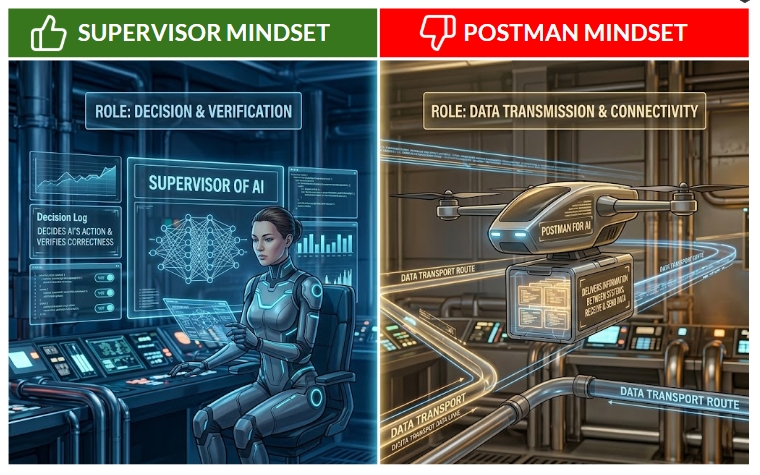
From Postman to Supervisor: How the SLATE Framework Protects Your Value in the AI Workplace
If you’ve been reading the headlines lately, the narrative surrounding AI and job displacement can feel incredibly daunting. We are constantly told that AI is coming for our jobs. However, recent insights on the critical role of human oversight in A...
Read More
ChatGPT Ads: What's Changing, What's Not, and What You Control
If you’ve checked your inbox recently, you might have spotted a notification from OpenAI regarding a Privacy Policy update. As of September 2026, OpenAI is officially introducing ads to the Free and Go tiers of ChatGPT. For many, this marks a pivota...
Read More
GPT-5.6: The View from the Free Tier and the Anxiety of Being Left Behind
OpenAI’s latest release, GPT-5.6, is being heralded as a major leap in reasoning, autonomy, and multimodal capabilities, promising to redefine how we interact with artificial intelligence. You can read the official technical breakdowns on the OpenAI...
Read More
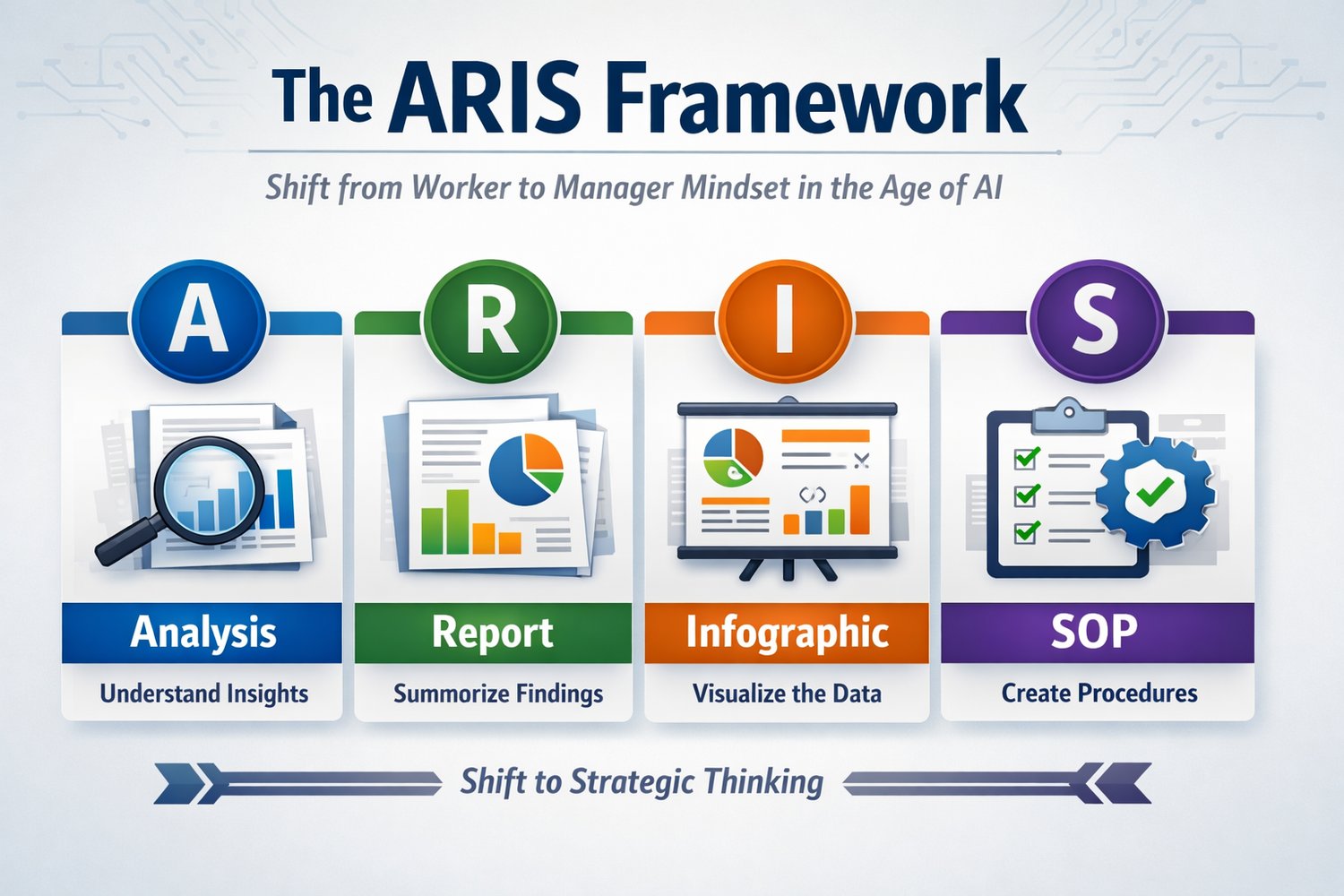
The ARIS Framework: Your Blueprint for Thriving in an AI-Driven Workplace
If an AI can draft your reports, summarize your meetings, and crunch your data in seconds, what exactly is your unique value to the organization? Are you leveraging these tools to build strategic systems, or just using them as a faster typewriter to...
Read More
The Helicopter Parent of AI: Anthropic’s Fable 5 Redeployment and the New Era of AI Safety
Anthropic has globally redeployed its advanced Claude Fable 5 model alongside newly detailed cybersecurity safeguards and a draft framework for evaluating jailbreak severity, following a temporary pause for export control compliance. If you have bee...
Read More
The Shift from AI to Agentic AI: Why Your "Good Enough" is Not Good Enough
If you look around your office—or your Whatsapp chats—you might notice something strange. Despite the headlines screaming about the "AI Workflows," despite the reports of agentic AI rewriting job descriptions overnight, most people are... ju...
Read More
Stop Prompting, Start Directing: How to Keep Your Job When AI Agents Take Over
It’s late April 2026. The dust is settling on what industry insiders are calling the "Automation Surge." If you’ve opened LinkedIn or your company Slack this month, you’ve seen it: the sudden, aggressive rise of agentic AI. These aren’t the chatbots...
Read More
Google's New Desktop App Is Here—And It's Quietly Changing How We Work
Google's New Desktop App Is Here—And It's Quietly Changing How We Work Source: Google has officially launched its new desktop app, now available for download at search.google. The app brings unified search, AI assistance, and cross-app workflow supp...
Read More
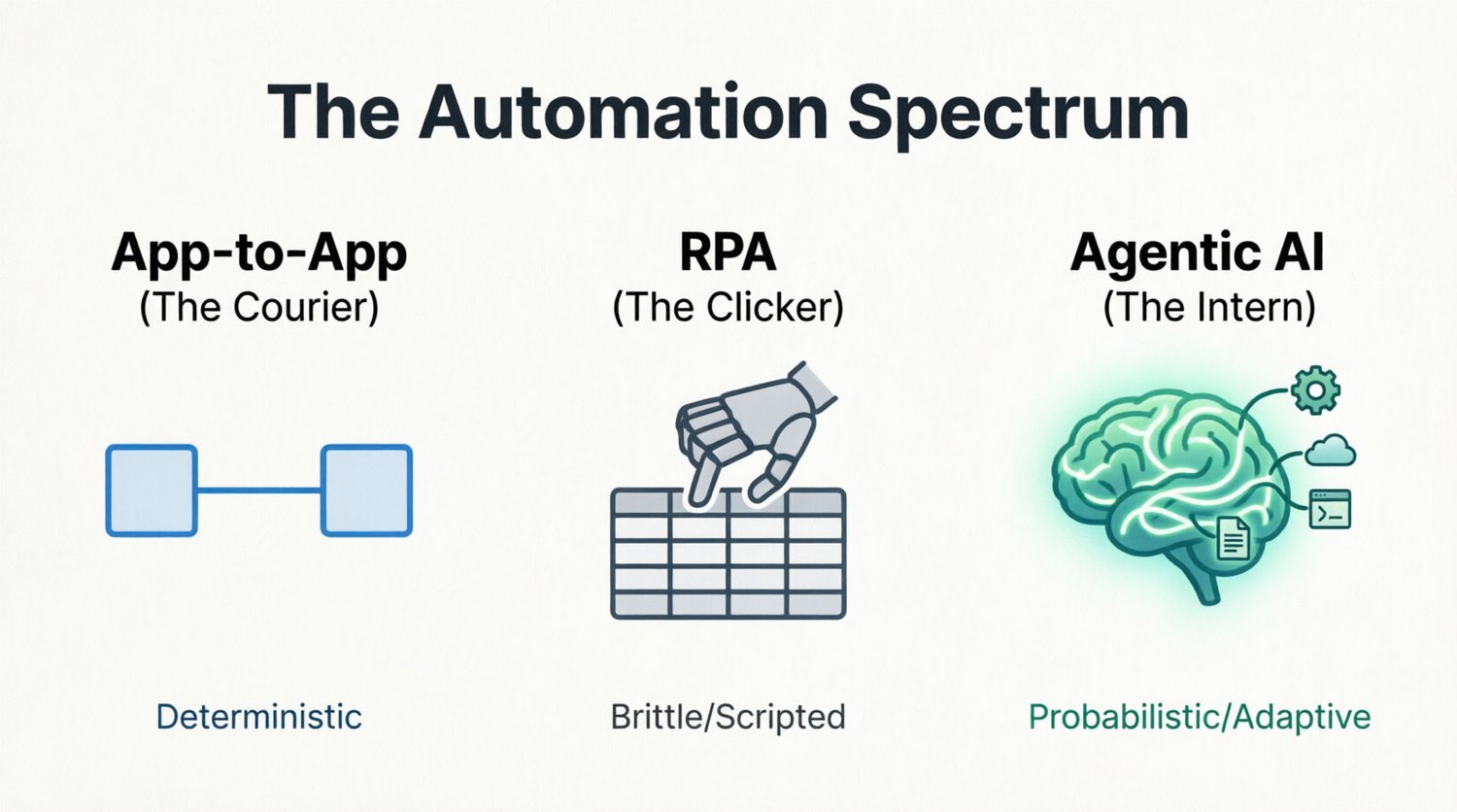
The AI Automation Spectrum
The Automation Identity Crisis: Understanding The AI Automation Spectrum
We’ve all heard the pitch: "AI will automate your work." It’s a promise that sounds like magic—press a button, and the drudgery disappears. But if you’ve actually tried to implement this in a real-world office environment, you’ve likely hit a wall o...
Read More
Scribe: The AI Documentation Tool That Writes Your SOPs While You Work
Let's be honest—nobody enjoys writing process documentation. It's time-consuming, often outdated before it's even published, and let's face it, a bit soul-crushing. But what if your computer could watch what you do and automatica...
Read More
Clipdrop - create sunning visuals in seconds
Clipdrop by Jasper: AI-Powered Image Editing That Actually Delivers, with Ease
If you've ever spent hours wrestling with Photoshop or paid a fortune for a graphic designer just to remove a background or resize an image, Clipdrop by Jasper might feel like magic. This AI-powered visual creation platform promises to help you "cre...
Read More
Gemma 4 Launched
Gemma 4 Launched: Why This Might Be the Workflow Automation Game-Changer
If you've been watching the open-source AI space closely, you already know today is a big day. Google just released Gemma 4—their most intelligent open models to date—and the timing couldn't be better for developers who want to build real, practical...
Read More
Google Vids Just Got a Major AI Upgrade—And It Might Be the Video Tool You've Been Waiting For
Google just announced a suite of powerful AI updates to Google Vids, integrating Veo 3.1 for free high-quality video generation, Lyria 3 for custom music creation, and fully customizable AI avatars—all designed to lower the barrier to professional v...
Read More
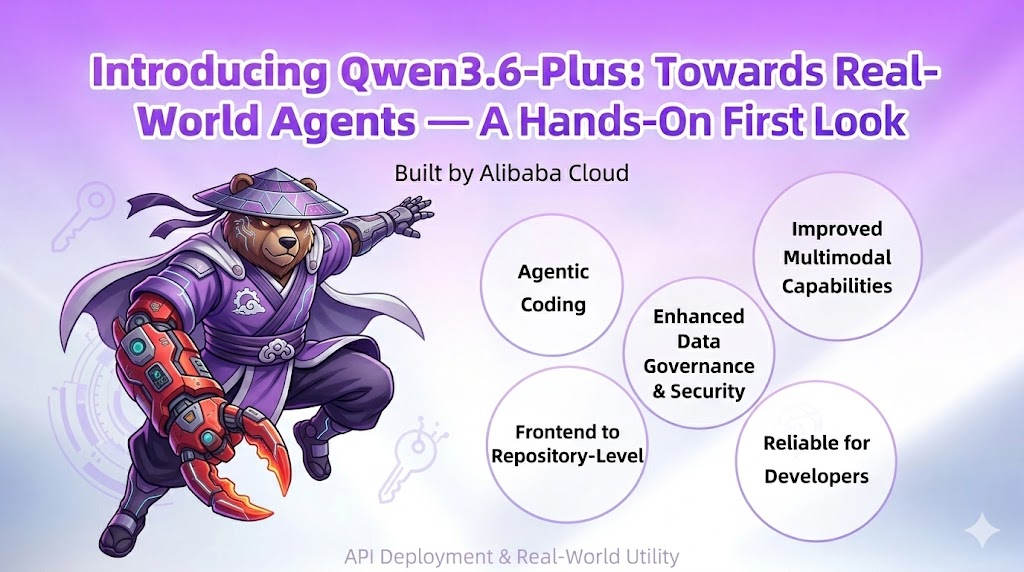
Introducing Qwen3.6-Plus: Towards Real-World Agents — A Hands-On First Look
Alibaba Cloud just announced Qwen3.6-Plus—a major upgrade to its hosted AI model lineup—with a clear mission: moving AI from answering prompts to executing real-world workflows. Available immediately via API through Model Studio, this release emphas...
Read More
Beyond Brand Loyalty: How Everyday Users Are Navigating the AI Tool Maze (And What 4 Distinct Personas Reveal About Your Own Workflow)
Based on an informal survey of adult educators, this article unpacks how professionals in Singapore are choosing—and combining—AI tools to boost productivity, and why understanding your own "AI persona" might be the key to working smarter, not harder...
Read More
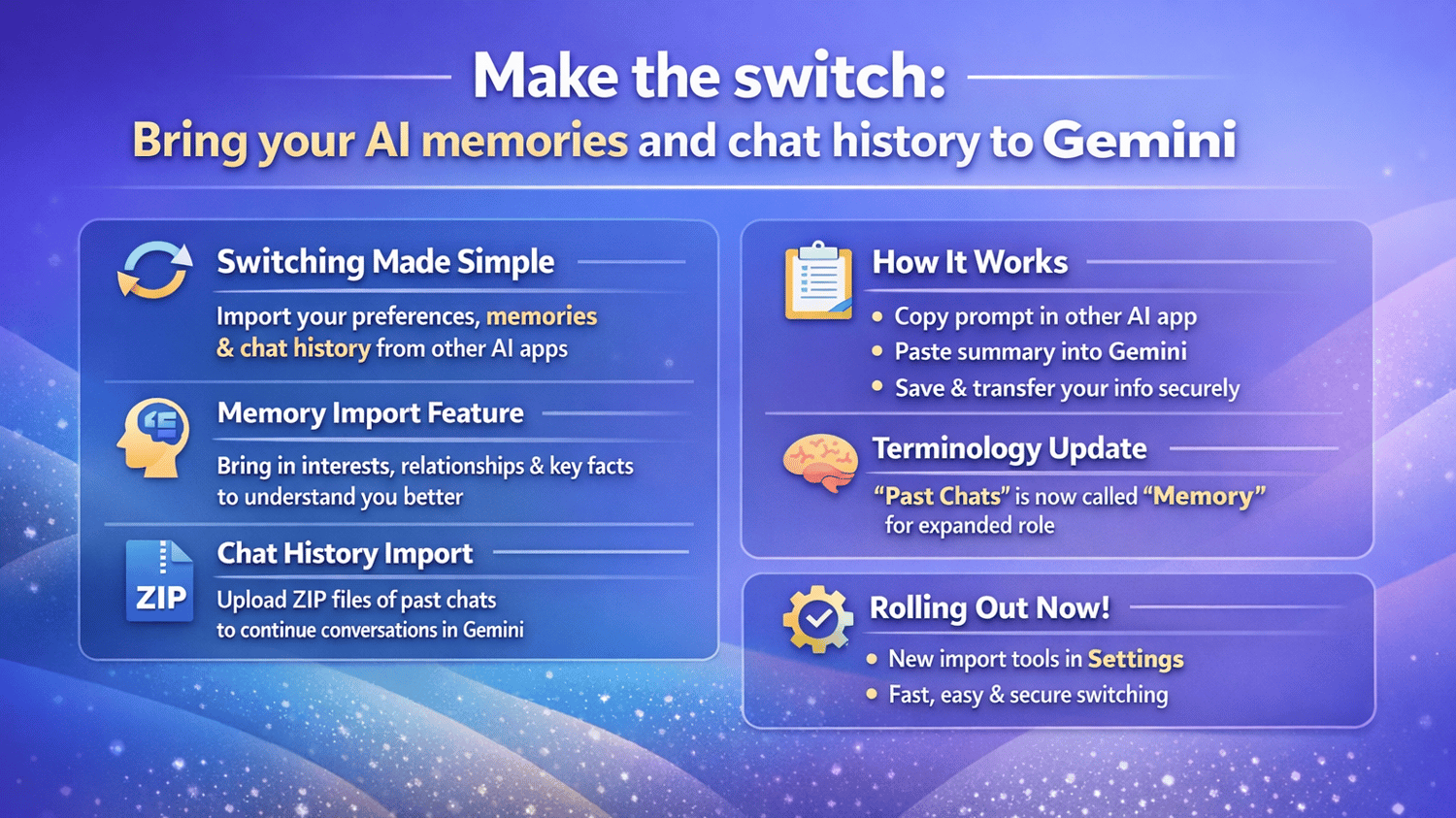
Switching AI Assistants Isn't One-Size-Fits-All—Especially in the Classroom
News update: Google recently announced new features for the Gemini app that make it easier for users to switch from other AI assistants. The update introduces the ability to import AI memories and upload chat history from other platforms, allowing u...
Read More
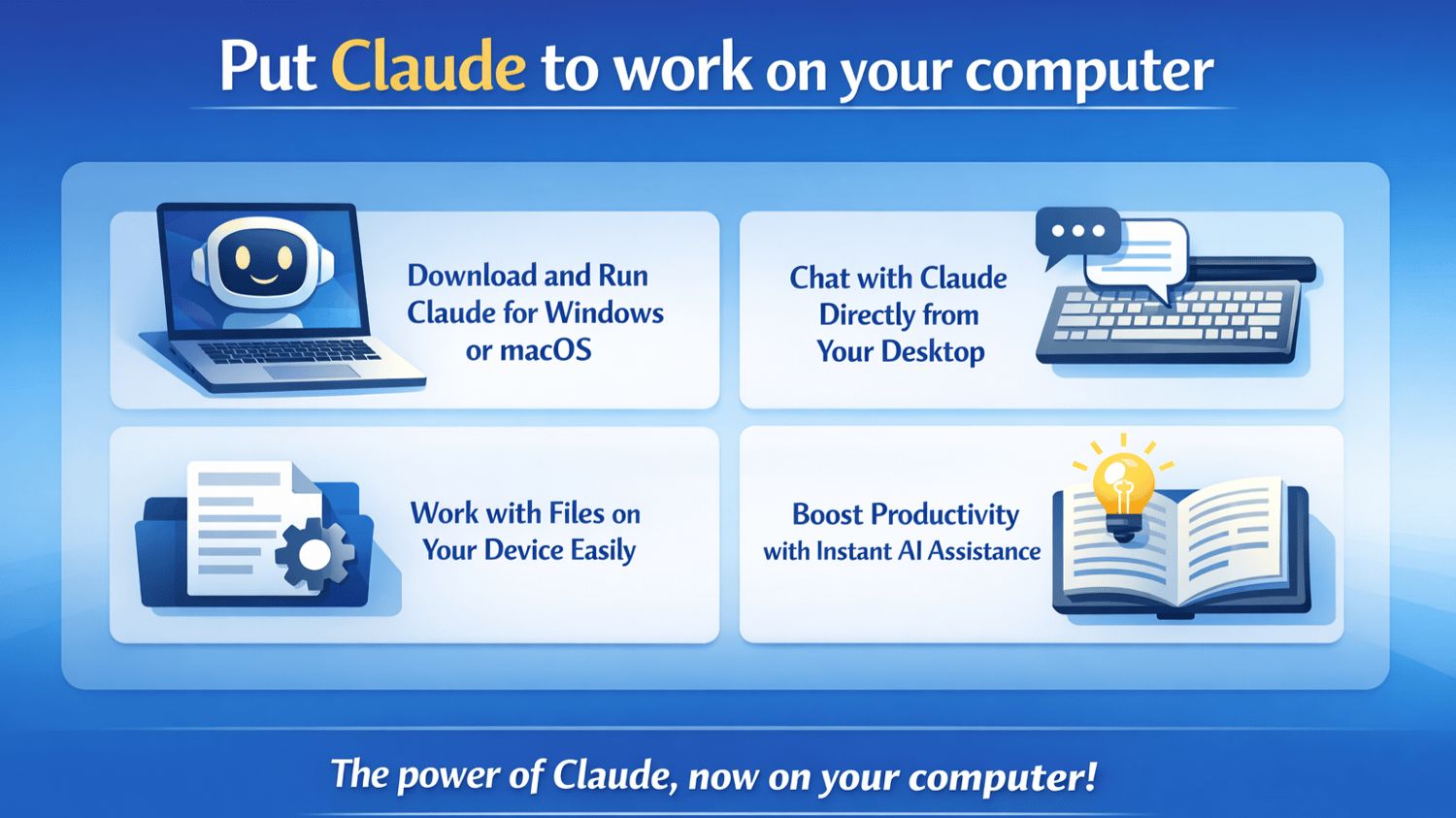
Claude Can Now Actually Use Your Computer
Anthropic just dropped something that feels a little sci-fi: Claude can now control your computer. Like, actually move your cursor, click buttons, open files, navigate your browser—on its own. The announcement came straight from their blog (claude.c...
Read More
Why Sora's Shutdown Was a Warning, Not Just a Whimper
OpenAI's decision to shut down the Sora consumer app just months after its hyped launch isn't just another tech footnote—it's a case study in what happens when breakthrough creative tools overlook the human boundaries that matter most to users. I'll...
Read More
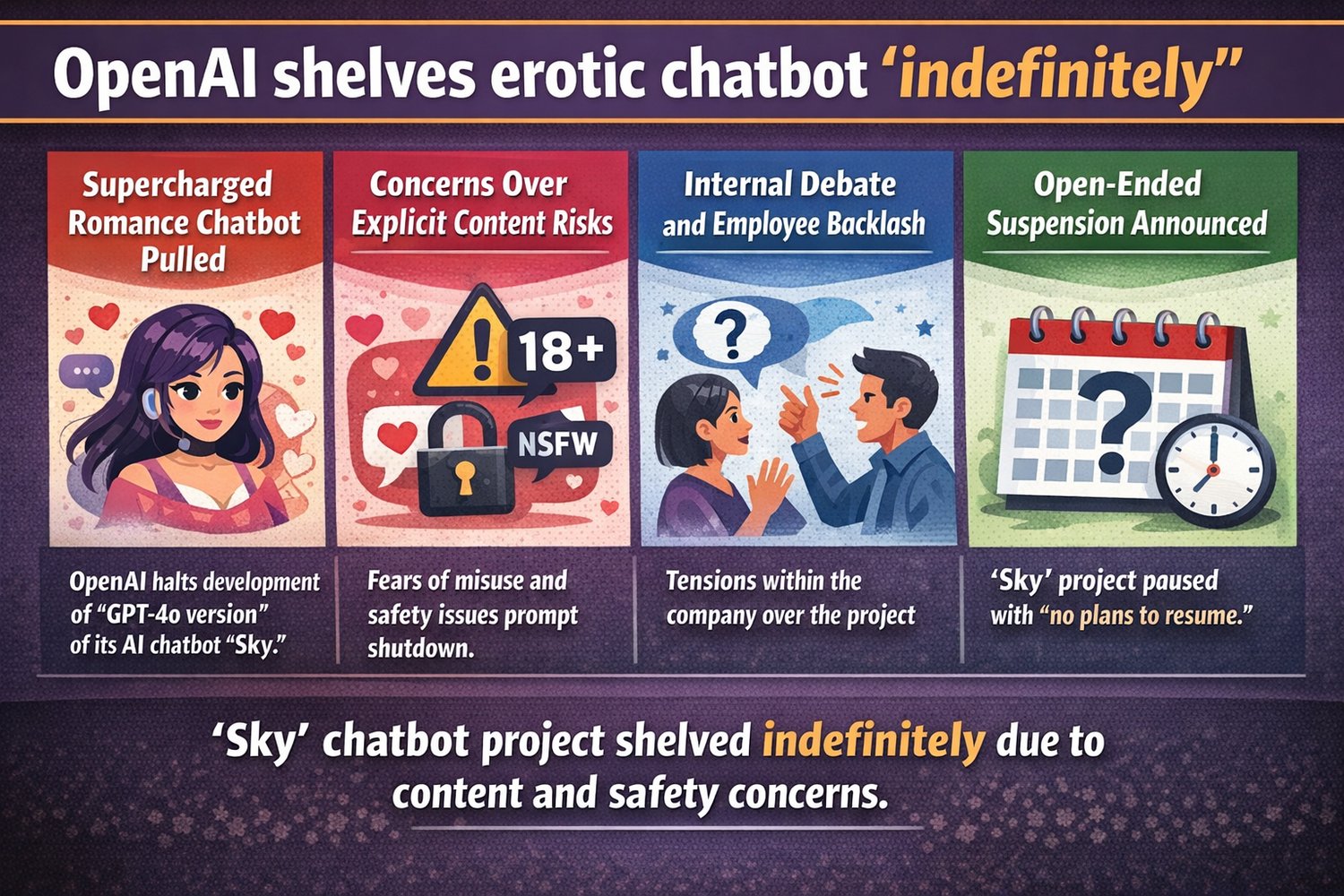
When AI Crosses the Line: Why OpenAI's Shelved "Adult Mode" Matters More Than You Think
The headlines: OpenAI shelves erotic chatbot "indefinitely." On the surface, it reads like another corporate pivot. But dig deeper, and this story touches on something far more consequential: the ethical tightrope tech companies walk when developing...
Read More
Why Suno v5.5 Feels Like the Start of a Personal Music Revolution (Not Just Another AI Update)
If you've scrolled through music tech news lately, you've probably seen the buzz: Suno v5.5 is here, and it's not just tweaking knobs—it's redefining what "your sound" can mean. With features like voice cloning, custom models, and taste-based person...
Read More
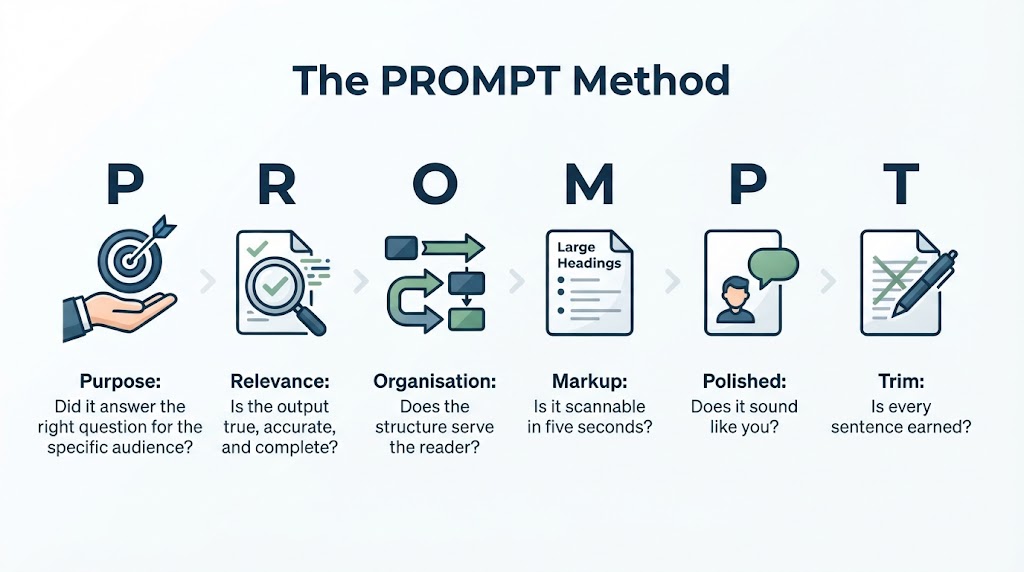
Getting the Best out of AI Chatbots: The PROMPT Framework
We've all been there. You sit down with a fresh cup of coffee, fire up your favorite AI chatbot, and type in a detailed request for a blog post, an email, or a strategy document. The response pops up almost instantly. It's grammatically pe...
Read More
WordPress Unleashes AI Agents That Can Actually Do Things—Here's What It Means for Your Workflow
WordPress.com has officially expanded its AI Model Context Protocol (MCP) integration to include write capabilities, transforming AI agents like Claude, ChatGPT, and Cursor from passive readers of your site data into active collaborators that can dr...
Read More
Waiting on the Sidelines: Why Google's Personal Intelligence Expansion Has Me Hooked (But Still Waiting)
Google is expanding its Personal Intelligence feature across Search, Gemini, and Chrome in the U.S., allowing AI to pull context from your connected Google apps to deliver hyper-personalized assistance—while keeping you in control of your privacy. I...
Read More
Why Gamma's New Trinity of Updates Changes Everything for Brand-Conscious Creators
Let's be real for a second: we've all been there. You have a brilliant idea, a clear message, and a deadline breathing down your neck. You open your presentation tool, then your design app, then your AI chatbot, then your brand guidelines PDF, and s...
Read More
The Illusion of Safety: Why AI Monitoring Won’t Save Us From Ourselves
OpenAI recently pulled back the curtain on how they monitor their internal coding agents, revealing a sophisticated system designed to catch deception, restriction-bypassing, and other forms of misalignment before they cause damage. On the surface, ...
Read More